
Watch out for these environmental pests and diseases. Early detection can make all the difference in protecting our forests, waterways, wildlife, coastlines and agriculture.
1. Dead or sick birds in a group
This can be a potential sign of bird flu. The wild birds that are most likely to be affected include waterfowl, shorebirds, and seabirds (gulls and terns).
If you find an unusual number of dead or sick birds (three or more in a group) or one of the likely affected wild birds, phone the Ministry for Primary Industries’ exotic pest and disease hotline on 0800 80 99 66 or report online at report.mpi.govt.nz. Do not touch/handle the birds.
Read more information on HPAI H5.
2. Small ribbed clams in lakes and rivers
Invasive freshwater clams are a risk to our lakes, rivers and water infrastructure. Report suspected sightings to Biosecurity New Zealand. Do not move clams, but take a photo, if possible, and note the location. Then phone 0800 80 99 66 or complete the online form at report.mpi.govt.nz
More information: Invasive freshwater clam.
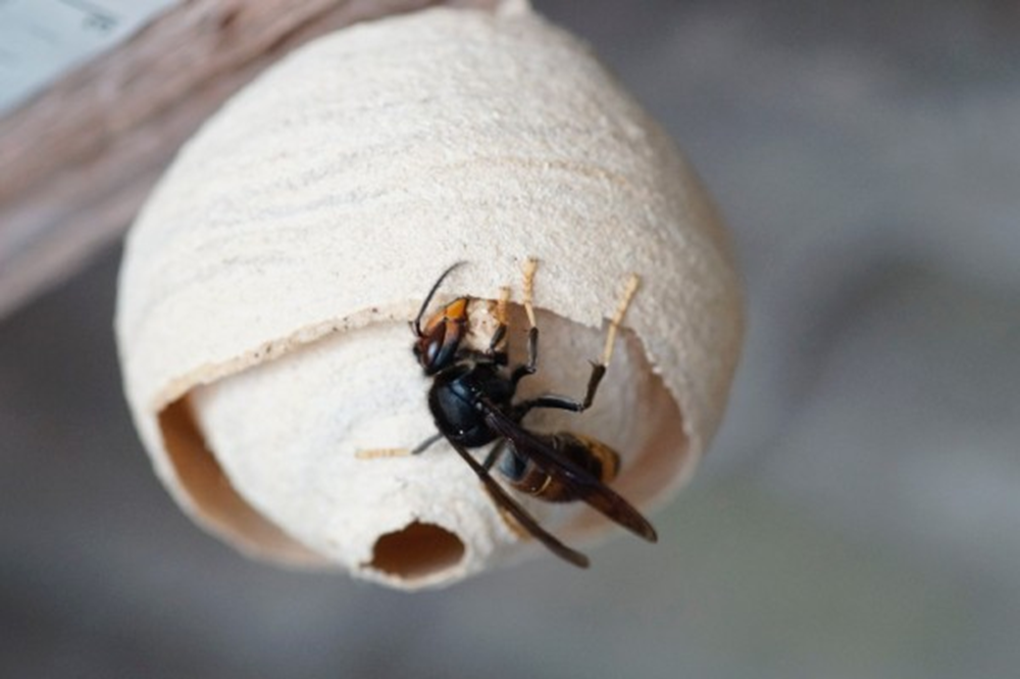
3. Large hornets with yellow-tipped legs
Typically much larger than honeybees and wasps commonly found in New Zealand, the yellow-legged hornet has distinctive dark legs with bright yellow tips. It’s a serious biosecurity concern due to its potential impact on honeybee and wild bee populations.
Take a clear photo and phone the exotic pests and diseases hotline on 0800 80 99 66 or online at report.mpi.govt.nz
More information on the Ministry for Primary Industries website.
4. Bright green seaweed with paddle-shaped leaves
Exotic caulerpa is an invasive marine pest that has the potential to harm our coastal environments. Note the location, take a photo and report it to Biosecurity New Zealand on 0800 80 99 66 or online at report.mpi.govt.nz
Learn more about Exotic caulerpa seaweed.
When visiting lakes and rivers, help prevent the spread of freshwater weeds and pests by following the protocol ‘Check Clean Dry‘ for all watercraft and gear (like togs, wetsuits, toys and boats) when moving between waterways.
When out in our ocean and harbours, make sure your boat hull and equipment such as the anchor or fishing and diving gear is clean – check there are no pests clinging on, under or above the water.
You can also:
- Be vigilant for anything unusual and report any suspected findings of unwanted pests.
- Check you are not taking pests with you on holiday.
- Clean your footwear and the tyres on bikes after a hike or ride.
- Close your food containers so ants or mice can’t get in.
More here.
Image: John De Carteret Jersey